
What it is
A replacement root, not just a replacement tooth.
An implant is a small titanium post placed into the jawbone where the missing tooth's root used to be. The bone fuses to it over a few months, and a custom crown is fitted on top.
That fusion is the whole point. Because the implant is anchored in bone rather than resting on the gum, it doesn't slip, doesn't need adhesive, and doesn't rely on grinding down the healthy teeth on either side the way a bridge does.
It's the closest thing modern dentistry has to giving you the original tooth back.
Consider an implant if you
- Have one or more missing teeth
- Are tired of a denture that moves or clicks
- Avoid certain foods on one side of your mouth
- Don't want healthy neighbouring teeth filed down for a bridge
- Have lost a tooth to injury, decay, or gum disease
- Notice your face has changed shape where teeth are missing
A gap isn't only cosmetic. The jawbone underneath a missing tooth begins to shrink, and the teeth on either side start drifting into the space.
Which is why the sooner a missing tooth is discussed, the more straightforward the options usually are.
The procedure
What actually happens, stage by stage.
Implants take time — mostly waiting for bone to heal. Here's the honest sequence so nothing comes as a surprise.
Assessment and imaging
We examine the site and take digital scans to check bone volume, density, and the position of nerves and sinuses. This determines whether an implant is suitable and exactly where it should be placed.
Treatment plan and costing
You get the full plan: number of implants, materials, timeline, and total cost in writing. If a bone graft is needed first, you'll know at this stage — not halfway through.
Placement
The implant post is placed under local anaesthesia. Most patients are surprised by how manageable this appointment is — the discomfort people brace for usually belongs to the day or two afterwards, not the procedure itself.
Healing and fusion
The bone grows around the implant over roughly a few months. A temporary tooth can often be fitted during this period so you're not left with a visible gap.
The crown
Once fused, a custom crown is made and fitted — shaped and colour-matched to your surrounding teeth. This is the appointment where it starts looking like it was always there.
Review and maintenance
We check the bite and the gum health, then see you at regular intervals. Implants don't decay, but the gum around them still needs looking after.
Living with an implant
- Brush and floss it exactly like a natural tooth
- No dietary restrictions once fully healed
- It cannot decay — but the gum around it can become inflamed
- Smoking meaningfully increases the risk of failure
- Regular check-ups keep small problems small
Aftercare
Low maintenance, not no maintenance.
Once the crown is on, an implant asks very little of you — normal brushing, normal flossing, normal food. Most patients forget which tooth it is.
The one thing that genuinely matters is gum health around the implant. Neglected, the tissue can become inflamed and the support can be lost, which is a far bigger problem to solve than a cavity. Keep your check-ups and it's rarely an issue.
Implant questions
What patients ask us.
Is the placement painful?
The procedure itself is done under local anaesthesia, so you shouldn't feel pain during it — pressure and movement, yes. Afterwards, expect some soreness and swelling for a few days, managed with the medication we prescribe. Most patients describe it as more manageable than they expected.
How long does the whole process take?
Typically a few months from placement to final crown, because the bone needs time to fuse with the implant. That waiting period isn't padding — it's what makes the result last. Cases needing a bone graft take longer, and you'll be told the realistic timeline before you start.
How long do implants last?
A well-placed, well-maintained implant is designed to be a permanent solution. The crown on top may need replacing eventually, like any restoration. Longevity depends heavily on gum health, smoking, and keeping up with reviews.
Am I too old for an implant?
Age itself is rarely the deciding factor — bone quality and general health matter far more. We've a straightforward way of finding out: an assessment and a scan.
What if I don't have enough bone?
This is common where a tooth has been missing for years. A bone graft or sinus lift can often rebuild enough support to make an implant possible. It adds time and cost, and we'll tell you both upfront.
Implant or bridge — which is better for me?
It depends on your case, your bone, and your budget. A bridge is quicker and usually cheaper, but requires reshaping the healthy teeth beside the gap. An implant leaves them untouched and preserves bone. We'll lay out both honestly rather than pushing the more expensive one.
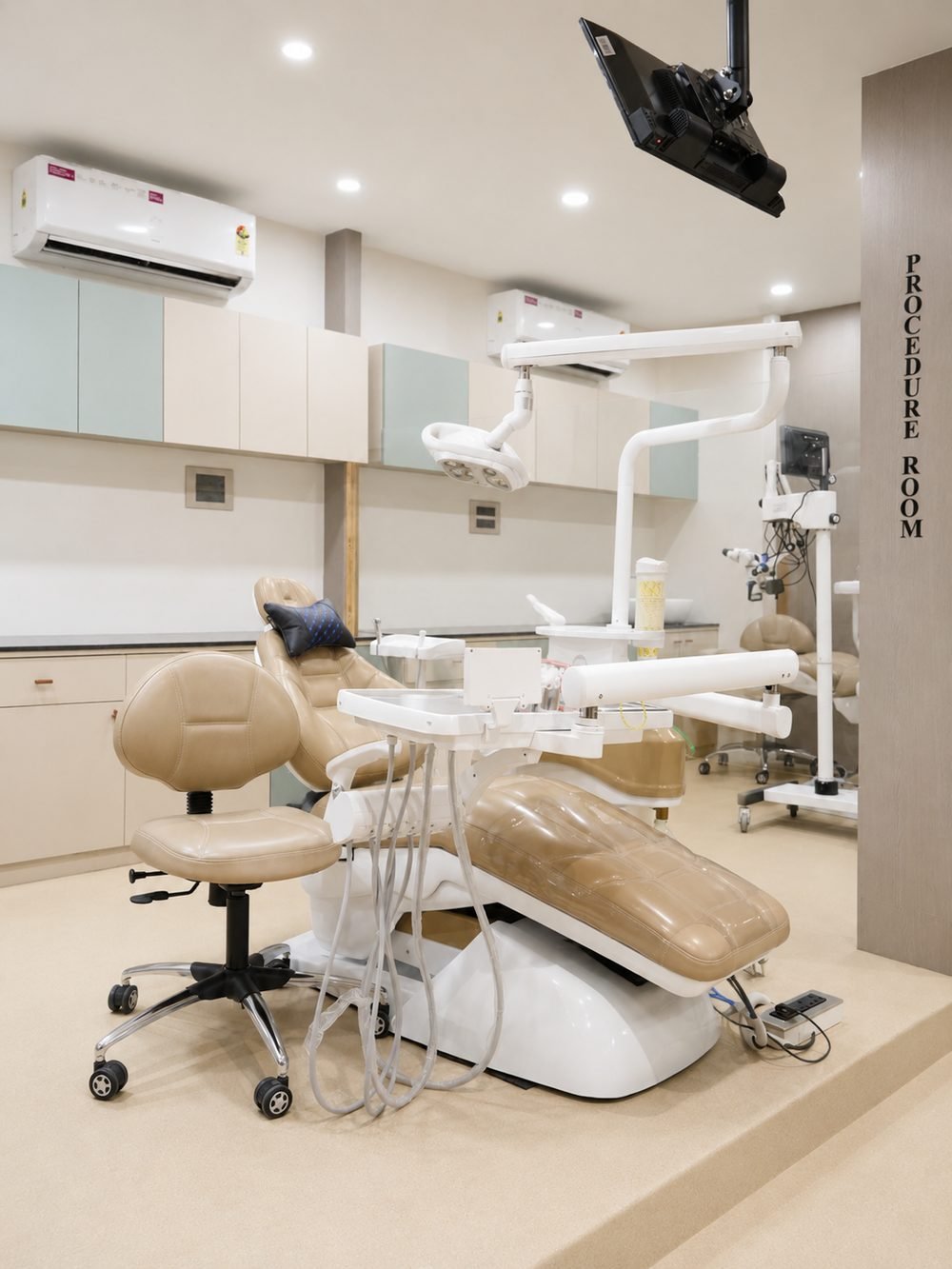
A separate procedure room, kept sterile for surgical work.
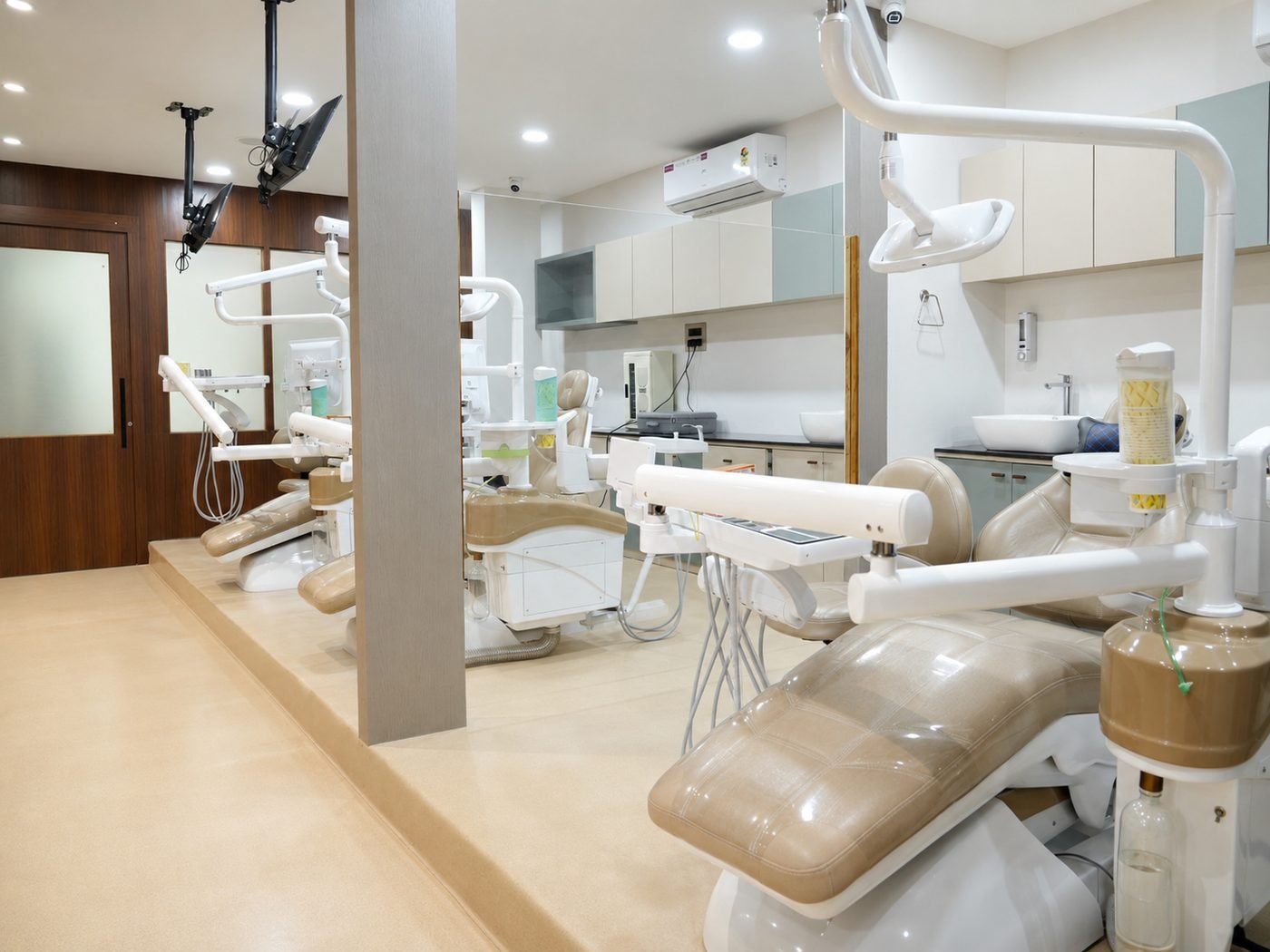

Implants are placed by an implantologist, in a dedicated room.


Dr. Taniya Gaba Pandey — Prosthodontist and Implantologist.
Book your appointment
Take the first step toward a healthier smile.
Tell us what's bothering you. We'll tell you exactly what it takes to fix it — and what it costs — before anything begins.